

🃏 How to Ask a Question with Tarot Cards
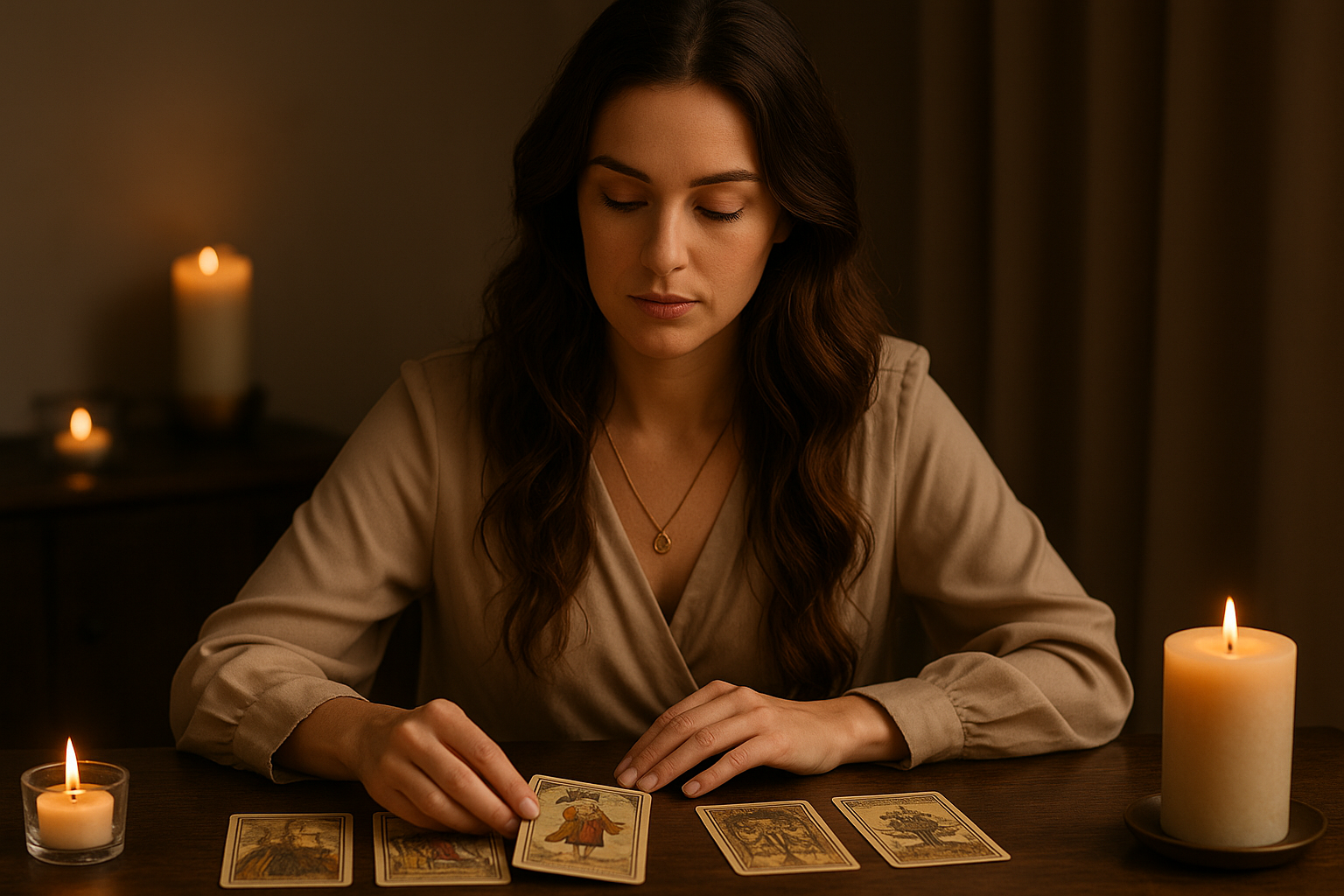
Need Guidance On Your Problems?
Consult With The Best Online Psychics


By: Riley McGee – Psychic Tarot Master | 20+ Years of Experience
Whether you’re new to tarot or have been exploring the cards for years, there’s one truth that remains: the power of tarot lies not in mysterious forces—but in the clarity of your questions. You don’t need to be gifted or spiritually “chosen” to read tarot. Just like meditation or prayer, tarot is a tool for anyone willing to connect with their inner wisdom. The secret? Knowing how to ask.
At Kenuba, we believe your questions are sacred. When you approach the tarot with intention and presence, you receive answers that can shape your journey, heal your heart, and guide your decisions.
---
🌿 How Tarot Cards Really Work
Tarot cards have been used for centuries—for insight, divination, self-growth, and even spiritual protection. While some believe a guardian spirit or higher self helps guide the reading, others see tarot as a mirror—reflecting the subconscious truths already living within you.
Whether guided by intuition or divine energy, a reader simply becomes a channel. But it is the asker—you—who holds the key. Your question opens the door. Tarot simply turns on the light.
---
🔮 Step 1: Prepare for a Clean, Clear Reading
To receive powerful messages from tarot, it helps to set the space—physically and spiritually.
Light a white candle to welcome positive energy.
Avoid eating 2–3 hours before your reading.
Clean the space where you’ll lay your cards.
Take a refreshing shower to cleanse your energy.
Sit facing North—a direction of wisdom and clarity.
Be calm, present, and open-hearted.
Whether you’re reading for yourself or someone else, create an atmosphere where energy flows easily.
---
❓ Step 2: Ask the Right Questions
This is where many tarot seekers go wrong. Your results depend on the quality of your questions. Here’s how to ask like a pro:
Be specific. Ask about your role in the situation, not vague outcomes.
Avoid Yes/No questions. Instead of “Will he come back?” try “What blocks our reconnection?”
Stay open. Focus on growth, not control. Tarot reveals truth, not guarantees.
Don’t repeat the same question. Let the guidance settle and unfold before asking again.
Focus on shared energy. If you ask about someone else, phrase it in terms of your connection with them.
Example Love Questions:
“What can I do to deepen my relationship with _?”
“What do I need to understand about our connection?”
“Is this partnership aligned with my long-term emotional needs?”
Example Career Questions:
“How can I move forward in my career with confidence?”
“What is blocking me from abundance at work?”
“Where should I focus my energy for long-term stability?”
---
🔁 Step 3: Shuffling with Intention
Handling your cards is a sacred part of the process. Follow these simple steps to prepare the deck:
1. Shuffle with your left hand (the receiving hand).
2. Focus on the question—say it aloud or silently.
3. Let the energy settle.
4. Offer the deck to the asker (if reading for someone else) to add their energy.
5. Break the deck into three piles, then recombine in a new order.
6. Lay the cards face-down, ready for the spread.
---
🌠 Step 4: Choosing the Right Spread
The card positions in a tarot spread give the reading structure and meaning. You don’t need to memorize every spread—start simple.
Beginner Spread (3 Cards):
Card 1: Present situation
Card 2: Guidance or action
Card 3: Potential outcome
Alternative Spread:
Card 1: Past
Card 2: Present
Card 3: Future
You can create your own spreads as well—just define what each card represents before drawing.
💡 Pro Tip: If one card feels out of place or confusing, draw a rescue card for clarification. Lay it next to the confusing one to help decode its message.
---
🌌 Step 5: Interpreting the Cards
Tarot is made of 78 cards, split into two main parts: the Major Arcana and the Minor Arcana.
✨ Major Arcana (22 Cards)
These carry deep, spiritual messages—like life themes, transformations, and soul contracts. Each one is numbered from 0 (The Fool) to 21 (The World).
Examples:
The Lovers: A choice of the heart vs. the mind
The Tower: A necessary breakdown for powerful growth
The Star: Hope, spiritual clarity, and renewal
Death: Transformation, not an end but a new beginning
🌀 Minor Arcana (56 Cards)
These represent everyday issues—emotions, struggles, events. They’re divided into 4 suits:
Cups (Water): Emotions, love, intuition
Wands (Fire): Ambition, ideas, passion
Swords (Air): Mental challenges, clarity, conflict
Pentacles (Earth): Career, security, finances
Each suit has 10 numbered cards and 4 court cards (Page, Knight, Queen, King).
Learning to read tarot is like learning a new language—the more you practice, the more fluent you become.
---
🧠 Step 6: Learn from a Professional Reader
Feeling overwhelmed by card meanings, spreads, or interpreting outcomes? That’s totally normal. Many start their journey by getting a reading from a professional psychic or tarot expert.
At Kenuba, we offer real-time access to gifted tarot readers who specialize in love, career, spiritual healing, and more. Their intuitive guidance can help you:
Understand complex feelings
Choose the right path at a crossroads
Heal from heartbreak or confusion
Learn how to read cards with more confidence
A single reading can unlock the answers you’ve been waiting for.
---
🌟 Final Thoughts: Tarot is Your Mirror
You don’t need to be “chosen” to ask tarot a powerful question. You just need to show up with an open heart, honest intentions, and a willingness to explore what lies within.
When asked the right way, tarot cards don’t just predict the future—they transform it.